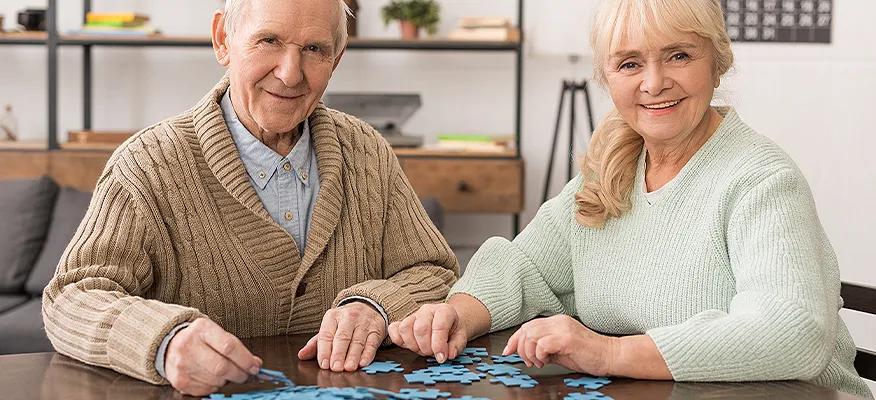
Memory games are an excellent tool for seniors to help maintain and improve cognitive functions, promote social interaction, and provide a fun and engaging way to pass the time. These games can range from simple puzzles to more complex strategy games, all designed to keep the mind sharp and active.
In this blog, we will explore the benefits of memory games for seniors and highlight some of the best games that are not only enjoyable but also beneficial for enhancing memory and mental agility.
Whether you’re a senior looking to keep your mind active or a caregiver seeking ways to enrich the lives of elderly loved ones, this guide will offer valuable insights and recommendations.
Benefits of memory games for seniors
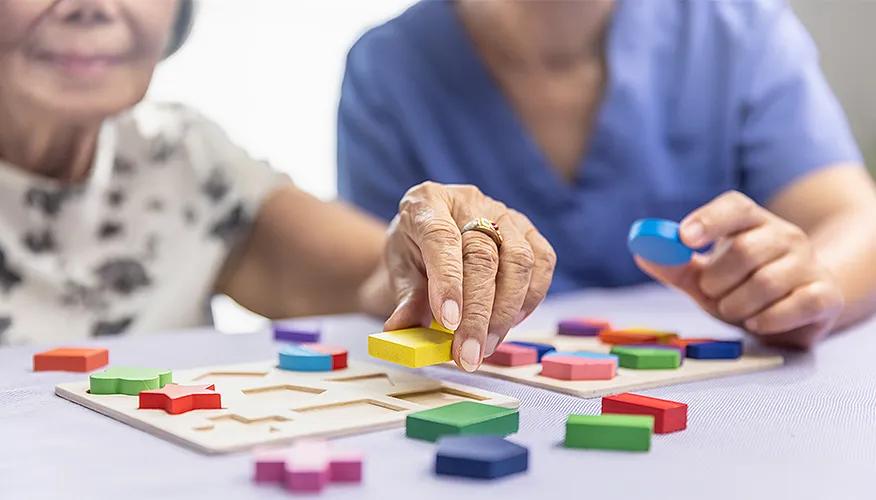
Memory games offer a variety of benefits for seniors, from enhancing cognitive skills to fostering social connections. Here’s a detailed look at the key benefits of memory games for seniors:
- Improves cognitive Functions: Regularly playing memory games can help improve several cognitive aspects such as short-term memory, working memory, and problem-solving skills. These games encourage the brain to stay active, potentially delaying the effects of aging on cognitive functions.
- Enhances concentration and focus: Memory games require players to pay attention to details and remember information over short periods. This can lead to improved concentration and focus, which are essential for daily activities.
- Delays memory-related diseases: Engaging in brain-stimulating activities like memory games may help delay the onset of memory-related diseases such as Alzheimer’s and dementia. While not a cure, these games can be a valuable part of a preventive strategy.
- Increases social interaction: Many memory games can be played in groups, which helps seniors connect with others. This social interaction is crucial for combating loneliness and depression, common concerns in older adults.
- Boosts mood and self-esteem: Successfully completing challenges in memory games can provide a sense of achievement and boost self-esteem. Regular engagement in such games can also contribute to a better mood and overall happiness.
- Provides a fun way to exercise the brain: Memory games are a fun alternative to more traditional forms of brain exercise, making cognitive training enjoyable and something to look forward to each day.
Top Memory Games For Seniors
There are many memory games available that can benefit seniors by keeping their minds sharp and encouraging social interaction.
Here are some of the top memory games for seniors:
Card games like Memory Match
- Traditional card games such as Memory Match, also known as Concentration, challenge players to turn over cards and remember the locations of matching pairs.
- This memory card game for adults is excellent for improving short-term memory and can be enjoyed alone or with friends.
Crossword Puzzles
- Engaging in crossword puzzles regularly helps to enhance word recall and problem-solving skills.
- With varying levels of difficulty available, crosswords can be tailored to challenge cognitive abilities progressively.
Sudoku
- Sudoku challenges players to fill a 9x9 grid with numbers so that each column, row, and each of the nine 3x3 subgrids contain all digits from 1 to 9 without repetition.
- This game is beneficial for improving logical thinking and concentration.
Jigsaw Puzzles
- Assembling jigsaw puzzles engages multiple cognitive skills, including spatial reasoning and memory.
- It’s a versatile activity that can be calming when done alone or engaging when done with a group.
Pick up a Book
- Pick up a Book encourages seniors to read aloud or silently, enhancing memory retention and language skills.
- It promotes cognitive engagement through following narratives and remembering details.
Chess and Checkers
- These classic strategy games require thoughtful planning and foresight, improving strategic thinking and concentration.
- They can be played against another person or against a computer, providing flexible engagement levels.
Count Backwards
- Count Backwards challenges seniors to reverse count from 100 by subtracting numbers like 7 or 3, sharpening mental agility and focus, while providing a simple yet effective brain workout.
Do You Remember
- Do You Remember is a reminiscence game where seniors recall and share past experiences, improving verbal skills and long-term memory.
- It also strengthens social bonds and emotional health.
Word Scramble and Other Word Games
- Word scramble games, where players rearrange letters to form words, help to boost language skills and cognitive flexibility.
- These games are not only challenging but also fun, providing a linguistic workout that can be enjoyed anytime.
Make Some Beautiful Music
- Make some beautiful music involves learning to play an instrument or sing, which stimulates different brain areas.
- It boosts memory, coordination, and emotional well-being through creative expression.
Tips For Engaging In Memory Games

Engaging in memory games effectively can maximize their benefits, especially for seniors looking to enhance cognitive functions and maintain mental agility.
Here are some practical tips for seniors and their caregivers on how to get the most out of working memory games for adults:
- Start simple: Encourage seniors to start with simpler and more straightforward games or levels to avoid overwhelming them. This approach helps them build confidence as they gradually improve their skills, allowing for a smooth transition to more challenging games.
- Make it a routine: Integrating memory games into daily routines can significantly enhance their effectiveness. Regular mental exercise can improve cognitive functions over time, much like physical exercise strengthens the body.
- Play socially: Playing games with others not only makes the experience more enjoyable but also fosters valuable social interactions. This can lead to improved mental health and a reduction in feelings of isolation among seniors.
- Mix it up: Diversifying the types of memory games played can engage different cognitive areas and keep the brain active and challenged. This variety helps maintain interest and prevents the routine from becoming monotonous.
- Use technology: Utilizing digital tools and apps for cognitive training can offer personalized game experiences and track progress. These platforms are convenient for adjusting difficulty levels and exploring a wider range of games suited to various skill sets.
- Set goals: Setting clear, attainable goals for each session can motivate seniors to stay engaged with the games. Goals can be as simple as improving a high score, mastering a new game level, or completing a puzzle within a certain time frame, providing a sense of accomplishment and purpose.
- Stay hydrated and rested: Maintaining good hydration and ensuring sufficient rest are crucial for optimal brain function. Seniors should be encouraged to drink water and rest adequately before engaging in cognitive activities to enhance performance and focus.
- Seek feedback: Obtaining feedback, whether from the game system or from friends and family, can provide insights into performance and progress. This feedback is essential for adjusting the game difficulty and making the experience more rewarding and tailored to individual needs.

Conclusion
By incorporating these games into their daily routines, seniors can not only enjoy the immediate fun and challenge but also reap long-term benefits such as improved memory, sharper concentration, and a stronger sense of community. Whether playing solo or with friends, the strategic use of memory games for seniors can significantly contribute to a more vibrant and fulfilling lifestyle for seniors, helping them maintain their cognitive health and continue to engage actively with the world around them.
How was the experience with article?
We'd love to know!