
Water is an essential part of our daily lives. We’ve all heard that staying hydrated is vital for our overall health, but did you know that drinking water can also boost your immune system?
The immune system protects our bodies from harmful pathogens like bacteria and viruses. It is a complex network of cells, tissues, and organs that work together to defend against infections and diseases. A well-functioning immune system is crucial for maintaining good health and preventing illness.
But does water boost the immune system? In this blog, we will explore the relationship between water and immune function and how staying properly hydrated can help support a strong and healthy immune system.
Why drink water?
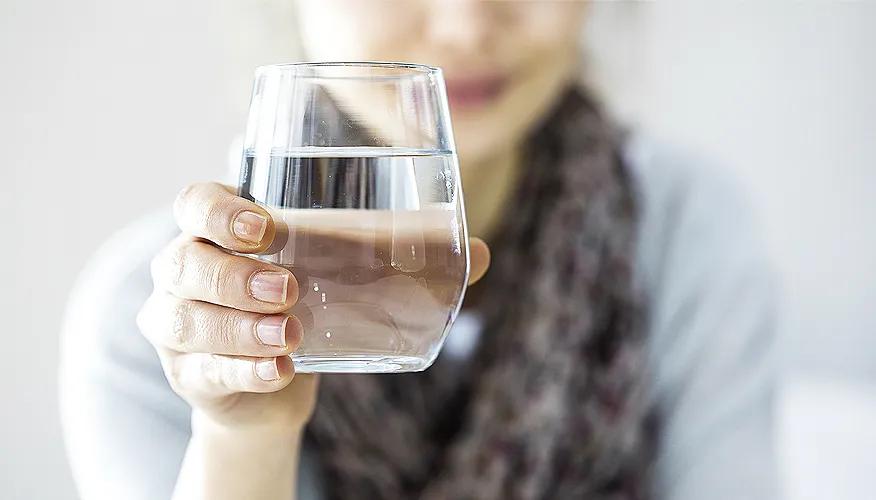
Water is often called the elixir of life, and for good reason. It plays a vital role in maintaining our overall health and well-being. But can drinking water also boost your immune system? Let's explore the reasons why staying hydrated is crucial.
Hydration and immune function
- Hydration is key when it comes to supporting our immune system. Water helps maintain proper bodily functions, including the production and circulation of lymph, a fluid that carries white blood cells and other immune cells throughout our body.
- Staying hydrated ensures that our immune cells can efficiently travel to different parts of our body to fight off infections and illnesses.
Detoxification
- Water is a natural detoxifier by flushing out toxins from our body through urine and sweat.
- By eliminating waste products, water helps to keep our organs, including the liver and kidneys, functioning optimally.
- A well-functioning liver is essential for detoxifying harmful substances and metabolizing nutrients that support our immune system.
Moisturizes mucous membranes
- Drinking an adequate amount of water keeps our mucous membranes moist. These membranes line various parts of our body, such as the respiratory tract, digestive system, and urinary tract.
- Moist mucous membranes act as a protective barrier against pathogens, preventing them from entering our bodies efficiently. When these membranes are dry, they become more susceptible to infections.
Enhances nutrient absorption
- Proper hydration improves nutrient absorption in our digestive system. Water helps to break down food particles into smaller components, making it easier for nutrients to be absorbed into the bloodstream.
- Essential vitamins and minerals obtained from food are crucial for supporting a healthy immune system.
- Drinking enough water ensures that our bodies can effectively utilize these nutrients.
Does water increase immunity?
Water is essential for our overall health and well-being and plays a crucial role in supporting our immune system.
Optimal hydration is key to maintaining a robust immune system, as it helps support immune communication, blood volume, lymphatic function, and histamine balance.
One way that optimal hydration supports the immune system is by facilitating communication and biochemical pathways within the immune system. The immune system relies on complex interactions between cells, molecules, and biochemical signals to effectively defend against pathogens.
Adequate hydration helps ensure these communication pathways function optimally, allowing the immune system to coordinate its responses effectively.
Another meaningful way that water supports immune health is by maintaining blood volume. Your immune system relies on your bloodstream to transport fluid, nutrients, and essential communication signals to organs throughout the body.
Since blood plasma is about 90% water, proper hydration is necessary to support adequate blood volume. Without enough water, the blood becomes thicker and less efficient at delivering essential nutrients and oxygen to the cells of the immune system.
The lymphatic system also plays a vital role in supporting our immune defenses. It works closely with the immune system and relies on a clear and colorless fluid called lymph to circulate throughout the body.
When we are well-hydrated, our lymphatic system functions optimally, helping to remove toxins, waste, debris, abnormal cells, and pathogens from the body. A well-functioning lymphatic system also helps transport infection-fighting white blood cells throughout the body.
Furthermore, optimal hydration can help maintain histamine balance in the body. Histamine is a central mediator involved in various bodily processes and is released from mast cells in response to specific triggers or stressors. Research suggests that extreme conditions such as dehydration or hypoglycemia can enhance histamine release. By staying well-hydrated, we can potentially reduce the risk of excessive histamine release and maintain a better balance within the body.
How to use water to increase immunity?

Drink plenty of water
One of the simplest ways to use water to boost your immune system is by staying adequately hydrated. Drinking adequate water helps flush out toxins from the body and supports the proper functioning of all bodily systems, including the immune system.
Lemon water for immunity
Adding lemon to your water can provide an extra boost to your immune system. Lemons are rich in vitamin C, which acts as an antioxidant and is vital in supporting immune function.
Regular consumption of lemon water for immunity can help prevent oxidative stress and strengthen your body's defense against harmful pathogens.
Add herbs and spices to your water
Certain herbs and spices have immune-boosting properties and can be added to your water for extra health benefits.
Ginger, turmeric, and mint are just a few examples of herbs and spices that can be infused in water to enhance its immune-boosting effects. These ingredients have anti-inflammatory and antioxidant properties that can support a strong immune response.
Stay hydrated during exercise
Exercise is important for overall health and can also boost the immune system. When you exercise, your body loses water through sweat, so staying hydrated is essential during physical activity.
Drink water before, during, and after exercise to replace lost fluids and support optimal immune function.
Stay hydrated when sick
When you're sick, it's even more important to stay hydrated. Illnesses like colds and flu can cause dehydration due to fever, sweating, or increased mucus production.
Drinking plenty of water helps to thin mucus, soothe a sore throat, and prevent further dehydration. It also supports the body's natural healing processes and aids in flushing out toxins.

How much water should you drink?
The amount of water you drink plays a crucial role when it comes to staying hydrated and maintaining a healthy immune system.
The National Academies of Sciences, Engineering, and Medicine recommend about 2.7 liters (91 ounces) of water for women and 3.7 liters (125 ounces) for men daily.
It’s important to note that this recommendation includes water from all sources, including food and other beverages.
How often should you drink water?
The answer varies depending on several factors. People who are more physically active or live in hot climates may need to drink more water to compensate for the additional sweat and fluid loss.
When we engage in physical activities or spend time outdoors in hot weather, our bodies lose water through sweat to regulate body temperature. Therefore, it becomes essential to replenish this lost fluid by drinking more water.
Moreover, it’s not just about the quantity of water you consume but also the frequency. Consistently drinking water throughout the day is critical. Instead of trying to finish a large amount all at once, it is recommended to spread out your water intake over the course of the day.
Listening to your body’s thirst signals is essential. Thirst is a natural mechanism that indicates when your body needs fluids. So, pay attention to those cues and drink when you feel thirsty. Staying hydrated can support your immune system and help it function optimally.
Other factors such as illness, pregnancy, and certain medical conditions may also increase your body's water needs. In such cases, consulting with a healthcare professional who can provide personalized recommendations based on your circumstances is important.
Tips to help you stay hydrated
- Carry a water bottle: One of the simplest ways to ensure you drink enough water is to carry a reusable water bottle wherever you go. This way, you can easily access water and sip on it throughout the day.
- Set reminders: Our busy lives make it easy to forget to drink enough water. Setting reminders on your phone or using an app can help you stay on track. Consider scheduling alerts at regular intervals throughout the day as a gentle reminder to hydrate yourself.
- Infuse your water with flavor: If plain water doesn't excite you, try infusing it with natural flavors like lemon, mint, or cucumber. This will add a refreshing twist to your hydration routine and encourage you to drink more water while enjoying lemon water for immunity.
- Eat hydrating foods: Remember that hydration isn't just about drinking water; it can also come from our food. Include hydrating foods such as watermelon, cucumbers, oranges, strawberries, and leafy greens in your diet. These foods have high water content and can contribute to your overall hydration.
- Consider electrolyte drinks: If you engage in intense physical activity or spend time in hot weather, you may need to replenish electrolytes and water. Electrolyte drinks or coconut water can help restore essential minerals lost through sweating.
Conclusion
The question ‘Can drinking water boost your immune system?’ prompts a nuanced understanding of hydration’s role in immunity. While water doesn’t directly boost immunity, maintaining proper hydration supports immune functions crucial for defending against pathogens.
Additionally, exploring the efficacy of lemon water for immunity underscores the connection between hydration, nutrition, and immune health. Ultimately, prioritizing hydration alongside a balanced diet can contribute to overall wellness. Thus, while water may not serve as a cure-all, it remains a fundamental aspect of a healthy lifestyle conducive to immune resilience.
Meet our expert

Meet our expert
A Doctor of Medicine (MD) in Pharmacology., currently based in Mumbai, India, Dr Pramod Mane, comes with an experience of more than 20 years of working in Medical Affairs in the Pharmaceuticals & Nutraceutical Industry. Director of Medical Services at Mega Lifesciences since 2008, Dr Mane has been associated with several MNCs in the areas of Medical Affairs, Medical Services, Medico-marketing, Pharmacovigilance & Clinical trials in his illustrious career.



How was the experience with article?
We'd love to know!