
Introduction
The pregnancy journey is a roller coaster ride for a woman who experiences a wide range of emotions and changes in the body that help nurture the growing life inside the womb. The signs and symptoms of pregnancy are narrowed to nausea, cravings and missing periods. However, it can vary from person to person, and some may experience few or no symptoms.
Every woman is different, and so is every pregnancy. Early pregnancy symptoms can vary and are similar to premenstrual symptoms. So, it is difficult to understand if you are pregnant. Also, it is crucial to note that these pregnancy symptoms may not confirm pregnancy. Only a medical test at home or hospital is accurate.
Identifying these symptoms enables you to seek early prenatal care which is vital for the health and well-being of the mother and the developing fetus. Your gynaecologist can identify potential risks or complications early on, provide educational resources and guidance regarding healthy pregnancy, nutrition, lifestyle adjustments, prenatal vitamins, and advise on things to avoid during pregnancy.
If you suspect or hope you are pregnant, read on the possible first symptoms of pregnancy we have coined that will guide you to get that early hint and prepare yourself for a new chapter of parenthood.
Understanding Early Pregnancy
Early stages of pregnancy ensure expectant parents make informed decisions, receive appropriate medical care and ensure a healthy and successful pregnancy outcome.
Regular prenatal care and a healthy lifestyle during this period lay the foundation for a smooth pregnancy and a healthy baby.
The first trimester is the earliest phase of pregnancy which starts on the first day of your last period before getting pregnant and lasts until the end of the 13th week.
This early period is critical for the development of the fetus, and your body undergoes tremendous changes as it prepares to nurture the growing baby. So, early signs and symptoms of pregnancy should be monitored closely.
Early pregnancy involves the following stages:
1. Conception and Implantation
- In the first week of pregnancy, after fertilization/ conception, the fertilized egg (zygote) begins to divide and forms a blastocyst, a cluster of cells.
- It then travels through the fallopian tube and eventually implants into the uterus lining (endometrium) around 6-10 days after fertilization.
- You can observe milky white discharge/ leukorrhea early in your pregnancy. White discharge before the period sign of pregnancy is related to the thickening of the vagina's walls immediately after conception. The increased growth of cells lining the vagina causes the discharge.
- Early in the pregnancy, light spotting may be a sign that the fertilized embryo has implanted in your uterus.
- After implantation, human chorionic gonadotropin (hCG) begins to be secreted, allowing the sustenance of pregnancy. This is a marker used to detect pregnancy in pregnancy tests.
- Breast tenderness during pregnancy is one of the earliest signs of pregnancy, as the hormonal changes prepare the body to feed the child.
2. Embryo Development
- The blastocyst then forms three distinct germ layers, including the ectoderm, mesoderm, and endoderm and becomes an embryo.
- The embryo goes through a process known as organogenesis, and major organ systems develop.
- After the implantation, the embryo develops, and main structures such as the placenta, amniotic sac, and umbilical cord begin to form.
- After 8 weeks from implantation, or 10 weeks gestational age, the embryo is then termed a fetus until birth.
- Progesterone and estrogen levels rise, maintaining the uterine lining and supporting the growth of the placenta and fetus.
3. Importance of tracking menstrual cycles
- Tracking menstrual cycles is crucial for accurately timing and identifying early stages of pregnancy, especially for those trying to conceive.
- Women track menstrual cycles to better understand their bodies and mental states, to have materials prepared for their period, to predict ovulation or to describe their menstrual cycle to their doctors.
- Understanding the menstrual cycle helps you in predicting ovulation day, which is typically around the middle of the menstrual cycle.
- By tracking menstrual cycles, you can identify the fertile window, which is the timeframe to plan intercourse optimally for better chances of conception.
- Tracking menstrual cycles also helps identify late or missed periods, which may be an early sign of pregnancy.
- Providing accurate menstrual cycle history helps healthcare providers in diagnosing potential reproductive health issues and determining appropriate treatment.
- Even if you are not trying to conceive, tracking the cycle can give an outline of your overall health, energy levels, mood changes and when you can expect your period to start.
Common Early Pregnancy Symptoms
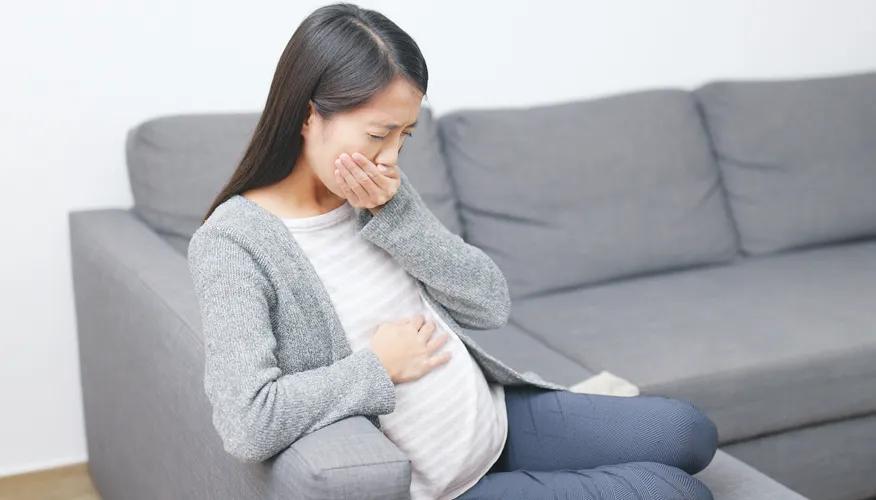
As the pregnancy symptoms vary from person to person and mimic the pre-menstrual symptoms, it is always better to confirm the pregnancy with a medical test. However, a few signs and symptoms of pregnancy are common in most pregnant women.
Let us check on the common early pregnancy symptoms listed below:
1. Missed Period
- Missed periods are one of the most obvious signs of pregnancy, especially if you have regular menstrual cycles.
- Once conception happens, your body produces hormones that stop ovulation and the shedding of the lining of your uterus, i.e. the menstruation stops until the baby is born.
- But it is not always the case; stress, excessive exercise, dieting, hormone imbalances, being underweight, scar tissue and some medicines can cause period irregularities or missing periods.
- If you observe extra hair growth, acne, and trouble controlling your weight, along with missed periods may suggest polycystic ovary syndrome, which requires medical attention.
2. Breast Changes
- After conception, the hormone levels rapidly change, and breasts may become swollen, sore, tingly, heavier or fuller or feel tender to the touch in the first week of pregnancy or the subsequent week.
- The area around the nipples called the areola, may also become darker and more prominent.
- This pain will be temporary, and fade once your body gets used to the increased hormone production.
3. Fatigue
- A woman can start feeling unusually fatigued as soon as one week after conceiving and this is a common first symptom of pregnancy.
- This is an indication that your body is spending all its energy on making your body a haven for the baby. The high level of the hormone progesterone contributes majorly to fatigue during this phase.
- Take naps during the day and eat foods rich in protein and iron to ease fatigue.
- It gets better in the second trimester( after week 13), but for some, it may return in the third trimester.
4. Nausea and Morning Sickness
- Morning sickness and nausea are considered the most common signs and symptoms of pregnancy. Up to 85% of pregnant women have it.
- Nausea, often accompanied by vomiting, can begin within a month of conception and may occur at any time of the day but most commonly in the morning, hence termed morning sickness.
- Although morning sickness symptoms are common, some women may not get it. The reason is attributed to the pregnancy hormones.
- Certain smells can also induce nausea, so avert the smells that trigger your nausea.
- To get relief, you can have bland, high-protein snacks, crackers when you get up and sip water, clear fruit juice, or ginger ale.
- Also, do not avoid the food when feeling nauseous. Eat a healthy diet to ensure proper nutrition for the baby.
5. Frequent Urination
- Needing to urinate more frequently than usual can be one of the early pregnancy symptoms.
- For many women, this starts around the sixth or eighth week after conception and is early pregnancy symptoms before the missed period.
- The hormonal changes, the pressure on the bladder due to the growing fetus, and the increased blood supply in the body during pregnancy cause the kidney to filter the waste and remove it through urination.
- The pregnancy urine color can be dark-yellow due to dehydration, so consuming enough fluids is important.
6. Mood Swings
- Hormonal changes during early pregnancy can cause mood swings, irritability, or emotional sensitivity.
- These are common, especially during the first trimester, as the body is preparing itself to accommodate a new life.
- This emotional roller coaster may be overwhelming, and you may feel anxious and depressed too. Talking to your partner, friend or doctor who can listen and support you with tips can ease it.
Less Common Early Pregnancy Symptoms

Being pregnant means sudden and unimaginable signs and symptoms of pregnancy too. There are a few less common symptoms that every pregnant woman would not get. A few such are mentioned below:
1. Food Aversions and Cravings
- You may experience cravings for certain foods or have aversions to foods and smells you like, and even your favorite food can be intolerable during this phase.
- More than 60% of pregnant women have food cravings.
- These cravings and food aversions can last for the entire pregnancy but decrease gradually at about the 13th or 14th week of the pregnancy.
- Also, the feeling of constant hunger compels you to binge on high-calorie foods like ice creams, chocolates, chips and other weird combos of junk foods.
- Finding out the foods causing nausea and replacing them with alternative nutrient-dense foods will ensure you get enough nutrition for a healthy pregnancy period.
- Binge on nuts, fruits and veggies in short intervals to suppress hunger and cravings.
2. Heightened Sense of Smell
- Hyperosmia is most commonly found in pregnant women and will happen in the first few months of pregnancy.
- Certain smells, like foods and body odors, may become more intense and make you nauseated.
- An evolutionary mechanism has been proposed – that increased olfactory sensitivity protects the developing embryo by reducing the likelihood that the mother will ingest toxins
- The changing levels of the hormone human chorionic gonadotropin (hCG)- might be considered to be a candidate underlying changes in olfactory perception, or at least changes in odor hedonicity.
3. Cramping and Spotting
- After conception, the fertilized egg attaches itself to the uterine wall, which causes one of the earliest signs and symptoms of pregnancy- spotting and cramping.
- The spotting or the implantation bleeding occurs from six to 12 days after the egg is fertilized.
- Implantation bleeding looks like small drops of blood or a brownish discharge from your vagina and is mistaken as period discharge.
- The cramps are more like the pre-menstrual cramps, so are often ignored.
- If you experience severe bleeding, cramping or sharp pain, may indicate miscarriage or ectopic pregnancy, requiring immediate medical attention.

Timing and Duration of Early Pregnancy Symptoms
- It is difficult to know exactly when the actual conceiving took place. So doctors calculate your due date from the beginning of your last menstrual cycle. So week 1 and 2- the lining of your uterus thickens to prepare for pregnancy. You may notice sticky vaginal discharge during ovulation - a white discharge before the period sign of pregnancy. The follicles release one or two eggs, which travel down your fallopian tube and await fertilization.
- In week 3, if the conception has occurred, but pregnancy symptoms week 3 does not have visible changes in the body. The hormones signal the body to stop the menstruation process.
- In week 4, the fertilized egg implants in the uterus causing light spotting and your breasts might feel tender and swollen.
- Week 5 is the time when you notice some early signs and symptoms of pregnancy- nausea, breast tenderness during pregnancy, darkening of your nipples, fatigue, frequent urination and bloating.
- Week 6 shows changes in the body physiology- you mainly gain some weight around your waist, legs and breasts. A pelvic exam by a doctor shows a change in uterus size as well.
- Week 7 is still no different, you have morning sickness, are exhausted and your breasts probably still feel tingly and tender.
- In week 8, your blood volume is increasing, and your heart is pumping 50% more blood per minute for your baby. Signs and symptoms of pregnancy will be moodiness and smell aversions
- Week 9 shows a small increase in the waistline, pregnancy hormones slow digestion so your body absorbs more nutrients leading to constipation or bloating and relaxing the stomach and esophagus causing heartburn.
- In 10 weeks you may continue to feel tired and moody, which soon fade.
- Week 11 is when pregnancy hormones act on the body and you can observe hair, fingernails, and toenails growing faster and oily skin and acne. The nausea gets better, but the fatigue continues.
- 12 weeks pregnant symptoms are feeling energetic, weight gain and extra melanin may make the skin on your eyelids, cheeks, and nose look brown. By the end of the third month, your baby is fully formed, with arms, hands, fingers, feet, and toes.
Not every pregnant woman will experience all of these symptoms, and the intensity and duration can vary. Some symptoms may diminish or disappear in the second trimester as the body adjusts to the pregnancy.
Taking a Pregnancy Test
- Pregnancy tests check your blood and urine.
- During pregnancy when the fertilized egg attaches to the wall of your uterus, a hormone called human chorionic gonadotropin (HCG) is produced about 6 days after fertilization. The pregnancy tests check for these hormone levels which rise quickly, doubling every 2 to 3 days.
When to Consult a Healthcare Provider

Signs and symptoms of pregnancy can be overwhelming sometimes. If your symptoms get severe, promptly get medical attention:
- Severe Nausea and Vomiting (Hyperemesis Gravidarum) is severe nausea and vomiting, dehydration, a persistent rapid heartbeat, or pale, dry skin and requires immediate medical attention.
- Vaginal spotting or bleeding especially in the first trimester, should be reported to a healthcare provider as it can be a sign of miscarriage, ectopic pregnancy, or other potential complications.
- If you suspect having a sudden weight gain over a few days, severe headache, or blurred vision, it could be preeclampsia, a form of high blood pressure which potentially is a threat to your health and your baby.
- If you have a fever over 100°F or 38°C and chills, backache, or blood in your urine, it may indicate a kidney infection or other infection that needs immediate attention.
- After the baby begins to move, if you observe a significant decrease in the fetal movement for more than 2 hours, the fetal movement should be evaluated by a gynecologist to ensure the baby's well-being.
- If Wetness or leaking of fluid from the vagina or you suspect your water has broken, you may have ruptured membranes or leaking of amniotic fluid, seek immediate medical attention.
- Also, if you feel regular contractions before 37 weeks of pregnancy, along with pelvic pressure, abdominal cramping or lower back pain, contact your healthcare provider immediately, as it could be a sign of preterm labor.
- A yellow discharge pregnancy signs infection and some emerging data which suggest that candidiasis in pregnancy may be associated with an increased risk of pregnancy complications, such as premature rupture of membranes, preterm labor, chorioamnionitis, and congenital cutaneous candidiasis. So seek medical attention if you have vaginal itching during pregnancy to rule out infections.

Conclusion
The pregnancy period is a life-changing moment, where the new mom-to-be undergoes a whole physical and mental transformation to bring a new life into this world.
It is important to consult with a healthcare professional for confirmation and adopt appropriate prenatal care if you suspect you may be pregnant based on the signs and symptoms of pregnancy.
Recognizing potential early signs of pregnancy ensures early prenatal care, and making necessary lifestyle adjustments, including a healthy diet and exercise will ensure a pregnancy with fewer difficulties. Always remember, that no two individuals are the same and therefore the symptoms may vary.
It is said that a mother’s gut is so strong about their children. So trust your gut and if you feel anything off immediately contact your healthcare provider as early intervention can often prevent or manage potential complications. Listen to your body and always take help without hesitation- after all, you are the nurturer, the supermom, bringing a new life to this world!
Meet our expert

Meet our expert
Dr. Irina Borisovna Stefanenko, a medical doctor based in Ukraine, graduated from Vinnitsa State Medical University in 1995. Between 1995 and 2000, Dr. Stefanenko pursued postgraduate studies and engaged in scientific activities at Vinnytsa Medical University in Ukraine.



How was the experience with article?
We'd love to know!