Testing Is Important!
Prenatal tests are screenings performed during pregnancy to evaluate both the mother's and the unborn child's health. They can identify disorders and can assist medical professionals in identifying conditions like chromosomal abnormalities or a birth deformity. If these problems are untreated, then it will be risky for the mom and the baby. Let us know about a few prenatal tests.
Prenatal Tests
These are performed during pregnancy to assess your health and to assess the possibility of a genetic problem in the baby.
Types Of Prenatal Tests
Prenatal tests are categorized as:
- Screening tests: Many birth defects, including those that are genetic illnesses, can be detected during prenatal screening tests.
- Diagnostic tests: These tests confirm the problem in the baby.
What Tests Are Done During The First Trimester?

The news of being pregnant gives immense joy to you and your partner. While you go through many bodily changes in the first trimester, most of them are not visible. The tests may give you clues regarding any health concern you or your baby might have, or they may even diagnose a problem. The tests done during the first trimester are a combination of foetal ultrasound and maternal blood tests. Different tests that are done during the first trimester of pregnancy, from week 1 to week 13, are:
- Urine pregnancy test: The first test that is performed to confirm that you are expecting is the urine pregnancy test. You can do it yourself with the help of home kits available for this test. After the confirmation of pregnancy, your doctor calculates your due date based on last menses or with the help of an ultrasound.
- Physical examination: This includes breast and pelvic examination, measurement of blood pressure, and monitoring your weight.
- Complete blood count: To check the count of blood cells and anemia.
- Blood group and Rh factor: The doctor estimates your blood type and if you are Rh-positive or Negative. If you are Rh-negative and your partner is Rh-positive, your blood may develop antibodies against the fetal blood.
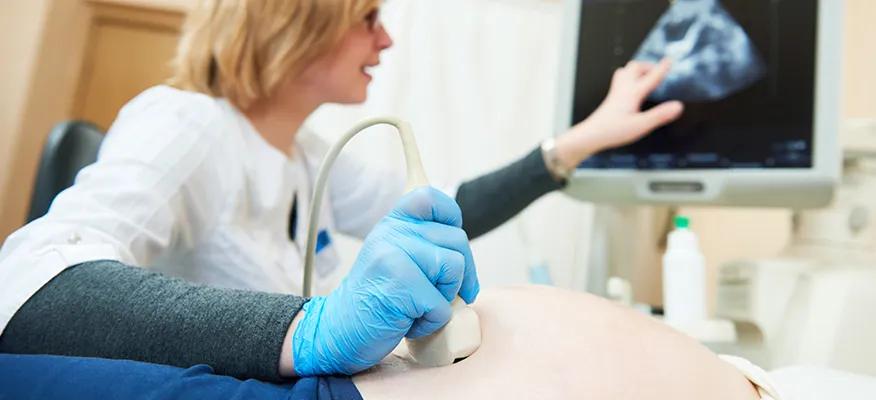
- Ultrasound: At around 11-14 weeks, you may go through the ultrasound test. This is done to check your baby’s health and development.
- Human chorionic Gonadotrophin or hCG test: This blood test estimates the hormone hcg, a pregnancy indicator. Abnormal levels of this hormone indicate a chromosomal abnormality.
- Pregnancy-associated plasma protein A: This protein comes from the placenta throughout initial pregnancy. Abnormal levels of this protein in your blood may indicate a genetic defect.

- Ultrasound for fetal Nuchal translucency (NT): An ultrasound is used to check the neck of the fetus for thickening or enhanced fluid, which might suggest a problem.
- Tests for specific diseases: your doctor may evaluate your blood for diseases such as STDs, Hepatitis B, HIV, Rubella, measles, and cystic fibrosis.
- Cell-Free DNA Test or Non-Invasive Prenatal Screening (NIPS): This is a screening test to check your baby’s DNA in your blood. This test is executed after ten weeks of pregnancy. This gives an estimation of the possibility of genetic defects in the baby like Down’s syndrome.
- Chorionic Villus Sampling (CVS): This is a diagnostic test, which is performed around 10-13 weeks of gestation. The cells of the placenta are examined to confirm if the baby has a chromosomal defect.
Is There Any Risk Associated With The Screening Tests?
Usually, these screening tests are not risky. However, if the tests are performed late, it might affect the results. This can bother you and your partner. Sometimes the tests or the results can make you anxious or can even lead to miscarriage. A few tests may cause pain and discomfort.
How Accurate Are The Prenatal Tests?
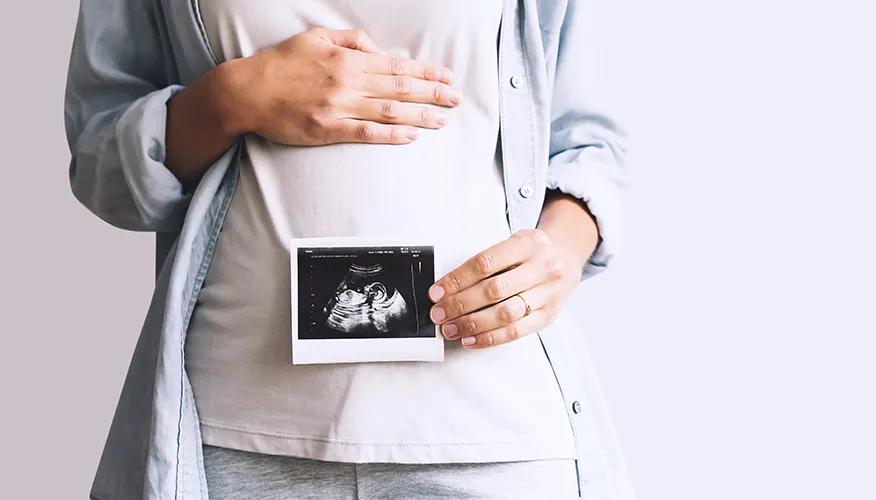
The tests are not 100% accurate. The end result may change from test to test. Your doctor advises you these tests to monitor your pregnancy and to estimate whether your child has a genetic defect.
How Test Results Can Affect You?
These tests evaluate your and your baby’s health during pregnancy. If test results are normal, it can make you calm and assured about your pregnancy journey. However, if the results of the test detect a birth defect in the baby, you might be distressed. You can be confused, about whether to continue the pregnancy or not. On the positive side, the result can prepare you to welcome your little one into the world.
Consult your healthcare provider to know which tests are suitable for you. It is your decision to go for these tests or not. These are recommended by your healthcare provider to assess your health and to see if your baby is healthy too. The doctor may provide precautionary measures during the test procedure.

Conclusion
Prenatal screening and diagnostic tests play a vital role in ensuring the health and well-being of both the mother and the unborn child during pregnancy. They help in early detection of potential health issues, enabling timely interventions. However, it's important to understand that these tests are not foolproof and may carry some risks. Consulting healthcare providers for personalized advice and making informed decisions about these tests is essential for a safe and informed pregnancy journey.
Meet our expert

Meet our expert
Dr. Naveeda Adam serves as the Medical Officer of the Gastrology Department at Muhimbili National Hospital in Dar es Salaam, Tanzania.



How was the experience with article?
We'd love to know!