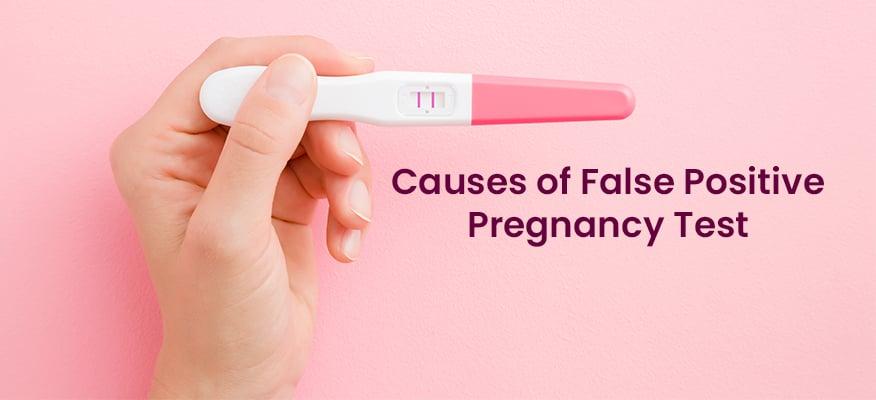
A pregnancy test is often associated with a lot of overwhelming emotions. The great anticipation of becoming parents shoots up your adrenaline, or the shock when you are not ready to become parents can give you a panic attack. A false positive pregnancy test can break hearts either way!
Although it occurs rarely, a false positive result says you are pregnant even if you are not. You may get a false positive pregnancy test for several reasons- if you have blood or protein in your pee, certain drugs could cause false-positive results.
Understanding the potential for false positive tests helps manage emotions and avoid unnecessary emotional distress that comes along with it. It is always best to be informed about the factors that affect test outcomes to help individuals interpret results accurately, avoid a lot of hassle, and make informed decisions regarding healthcare, family planning, and other aspects of life.
Read on to learn more about false positive pregnancy test causes.

Understanding Pregnancy Tests
- The most common and frequently used pregnancy test is an at-home pregnancy test kit that checks your pee or blood for a hormone called human chorionic gonadotropin (HCG).
- It is a hormone produced in the body after 6 days of fertilization. Levels of HCG rise quickly, doubling every 2 to 3 days.
- Most pregnancy kits have a box that contains 1 or 2 long sticks on which you pee, and the result appears on the stick after a few minutes.
- These tests claim to be 99% accurate if you follow the instructions and do it right.
- These are preferred pregnancy testing methods as the test kits are inexpensive, give immediate results and are also simple to do.
Types of Pregnancy Tests
Two main types of pregnancy tests are blood tests and urine tests:
1. Pregnancy blood tests:
- Pregnancy blood tests are done at a clinic, where a small sample of your blood is drawn from a vein in your arm and checked for HCG levels in the body.
- It is useful if the doctor needs to know the exact amount of HCG, or else not the preferred testing method, as it is similar to urine tests and is expensive when compared.
- A qualitative hCG blood test gives the result as pregnant or not and can confirm pregnancy as early as 10 days after conception.
- Whereas the quantitative hCG test (beta hCG) measures the exact amount of hCG in your blood and can detect even low levels of hCG. This test is conducted if the doctor suspects pregnancy issues like ectopic pregnancy or miscarriage.
2. Pregnancy urine tests:
- It is the most commonly used pregnancy test as it is private, easy, inexpensive, accurate and gives fast results.
- It measures the presence of hCG hormone in your urine to determine whether you conceived.
- You can easily do it according to the instructions provided by the manufacturers, i.e.; by holding sticks in the urine stream, dipping it in a cup or transferring your urine with a dropper etc.
- The results will be obtained in minutes.
- Urine home pregnancy tests are about 99% accurate. But they are not foolproof.
- A urine pregnancy test false positive can happen if you do not follow the instructions properly while testing, take the test too early before the egg implants or if the test kit is faulty or expired.
What Is a False Positive Pregnancy Test?
A false positive occurs when a test shows you are pregnant even though you are not actually pregnant. This usually means the test detected hCG or something similar, but the cause was not a real pregnancy.
Common Causes of a False Positive Pregnancy Test

The at-home pregnancy test can also give false positives in rare cases. What is a false positive? A positive pregnancy test result even though you are not pregnant, is called a false positive. The positive pregnancy test can come as a surprise to many. It can be shocking to people who are not prepared to become parents.
Several conditions may cause a false-positive urine pregnancy test, including trophoblast tumors, malignancy, nephrotic syndrome, adenomyosis, tubo-ovarian abscess, and paraneoplastic syndromes. It is best advised to confirm the result with a healthcare professional and learn what can lead to a false positive pregnancy test.
The causes of false positive pregnancy tests are influenced by the factors below:
1. Hormonal Imbalances:
- Pregnancy tests work by detecting human chorionic gonadotropin (hCG), a hormone produced during pregnancy.
- Certain conditions in the body can cause hormones to go haywire and give a false positive pregnancy test.
- Pituitary hCG may be produced in perimenopausal or postmenopausal women. As estrogen and progesterone production decreases, releasing gonadotropin-releasing hormone (GnRH) from negative feedback, luteinizing hormone (LH) and follicular stimulating hormone (FSH) rise. The uncontrolled GnRH stimulation may lead to hCG production by pituitary gonadotrope cells.
- Also, conditions like polycystic ovary syndrome (PCOS) cause hormonal imbalance, and irregular menstrual cycles, which can affect the accuracy of pregnancy tests.
2. Medications and Supplements:

- Most medications you take including antibiotics and birth control pills, won’t affect pregnancy testing, but you should know what medications can cause a false positive pregnancy test.
- Some medications containing hCG can give a false positive pregnancy test.
- Certain drugs, such as tranquilizers, anticonvulsants, hypnotics, and fertility drugs, could cause false-positive results.
- If you are undergoing fertility treatments involving taking hCG injections, it could trigger a positive pregnancy test, even if you’re not pregnant as it may persist in your body for up to two weeks.
- Hormonal therapies and supplements that influence hormone levels can potentially interfere with pregnancy test accuracy.
- Folic acid is usually taken by the people planning for pregnancy. But can folic acid cause false positive pregnancy tests? Folic acid, being a vitamin, does not contain hCG or substances that mimic hCG, which is what pregnancy tests are designed to detect. So, it is not likely to, but if it is taken along with hCG as a part of fertility treatments, it may. Discuss with your doctor to find out the actual reason.
3. Medical Conditions:

- Various medical conditions can impact the accuracy of pregnancy tests and both you and the medical practitioner should be aware of these causes of false positive pregnancy tests:
- You could have a false-positive result if you have blood or protein in your pee, typically the result of kidney damage.
- False-positive results are specifically associated with germ cell ovarian tumors, gestational trophoblastic tumors, placental site trophoblastic tumors, ectopic pregnancy, paraneoplastic syndromes, urothelial bladder carcinoma with choriocarcinoma differentiation, lung carcinoma, urogenital anatomical malformations, tubo-ovarian abscess, adenomyosis, metastatic melanoma, treatment with selective serotonin reuptake inhibitor (SSRI) antidepressants, nephrotic syndrome, following blood transfusions, and in perimenopausal and postmenopausal states.
- Lung cancer is the most common non-gestational malignancy known to be associated with ectopic beta-hCG production.
- A patient treated with the SSRI, escitalopram, had a false-positive urinary pregnancy test. SSRI antidepressants are frequently prescribed, so recognition of the association with false-positive pregnancy testing is crucial for patients and physicians to be aware of.
4. Recent Pregnancy or Miscarriage:
- After having recently given birth or having had a miscarriage if you test, you can get a false positive pregnancy test.
- The hCG levels typically decrease over time following a pregnancy loss but can remain elevated for a few weeks.
- So it is better to avoid testing immediately after a miscarriage or delivery.
- Other Triggers for False Positives
- There are so many causes that trigger a false positive. Amongst them, what can lead to a false positive pregnancy test should be identified for better management of the condition and your health.

5. Evaporation Lines
- When taking the test, the manufacturer’s instructions should be followed, or there can be a chance of getting faulty results.
- Evaporation lines can appear on a pregnancy test if the result is not checked within the specified time frame or if it's left sitting too long after use.
- There may be a colorless or faint second line, resembling a positive result and causing confusion.
6. Faulty Tests
- A damaged, expired, or faulty pregnancy test kit can give you a false positive pregnancy test.
- Many test kits work for one to two years but check the label carefully to be sure.
- Most tests also have a control indicator, which is a line or another symbol you can see in the result window and if you don’t see that, probably that test won’t give you correct results.
7. User Error
- The pregnancy test is either done with excitement about getting pregnant or worrying about missed periods or other early pregnancy symptoms.
- At home, testing is prone to have a great deal of user error in these situations; after all, you are overwhelmed to the core.
- Misreading the test, misinterpreting faint lines, or misjudging the result due to poor lighting or other external factors can contribute to false positives.
8. Chemical Pregnancy (Very Common Cause)
A chemical pregnancy is one of the most common reasons behind a false positive pregnancy test.
It happens when an egg is fertilized and briefly implants in the uterus, causing hCG levels to rise. However, the pregnancy ends very early—often before you even realize it.
Because hCG is already present in the body, the test shows a positive result.
But within a few days, the hCG drops again, leading to a negative test or your period arriving soon after.
Chemical pregnancies can happen due to:
- Chromosomal abnormalities
- Hormonal imbalances
- Uterine lining issues
They are quite common and do not affect your ability to become pregnant again.
Including this helps people understand why their test turned positive and then negative soon after.
How Long hCG Can Stay in the Body
Understanding how long hCG remains in your system helps you avoid misinterpreting results.
- After miscarriage: hCG may take 4–6 weeks to return to zero.
- After childbirth: hCG can stay for up to 8 weeks or longer.
- After hCG fertility injections: the hormone can remain for 10–14 days, causing false positives.
Testing too soon after any of these events can easily lead to a misleading result.
How to Confirm if a Positive Test Is Actually True
A false positive can be confusing, so confirm your results with the following steps:
1. Repeat the test after 48 hours
hCG usually doubles every 2–3 days in early pregnancy.
2. Get a quantitative hCG blood test
This tracks the exact amount of hCG in your bloodstream and shows whether levels are rising normally.
3. Ultrasound at 5–6 weeks
An early ultrasound helps confirm a real pregnancy, rule out ectopic pregnancy, or detect early complications.
These steps ensure your results are accurate and prevent misdiagnosis.
Steps to Minimize False Positives
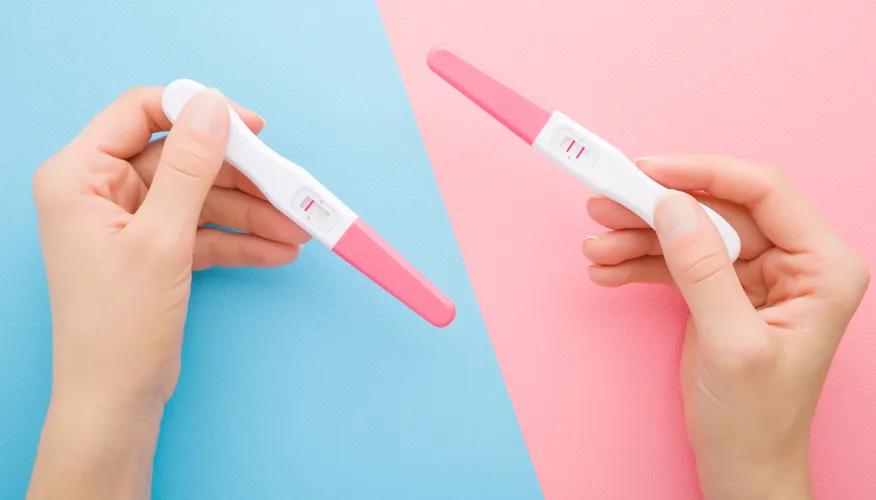
A false positive pregnancy test can bring emotional distress to people. This unnecessary stress can be avoided if you follow caution while doing the test and interpreting the results. A few points you should keep in mind while taking the test are:
1. Taking Tests Properly:
- Excitement can compel you to take the test early, as soon as you get early pregnancy symptoms.
- Some sensitive tests can indeed detect the hCG presence even before you miss the period. But results will be more accurate if you wait until the first day of a missed period.
- Always follow the instructions and do the testing accordingly. Repeat the tests in case of any confusion.
- Results may also be more accurate if you do the test first thing in the morning when your urine is more concentrated.
- Always ensure that the test is not contaminated which may interfere with the results and do not be in a hurry to do the test or check the result.
2. Consulting a Healthcare Professional:
- The test result may be not clear, if the test kit is expired, or if not done according to the manufacturer's instructions. In such cases, it's crucial to seek advice from a healthcare professional.
- If you get inconclusive or conflicting test results, consult a healthcare provider for a blood test, which is more accurate than home pregnancy tests.
- Also, consulting a healthcare provider will help to rule out other medical conditions.
3. Timing and Reading Results:
- It is better to take the test in the morning as your HCG levels are most concentrated and easily detected.
- Do not rush into reading the results, wait exactly for the minutes mentioned by the manufacturers or else it may lead to inaccurate results or may form evaporation lines if the designated time has passed.
- Don’t drink a lot of fluids before you take the test which can dilute your HCG levels.
Warning Signs That Need Medical Attention
Although false positives are often harmless, certain situations require medical help:
- Severe abdominal or pelvic pain
- Heavy bleeding or passing large clots
- Dizziness, fainting, or shoulder pain
- Persistent positive tests with no pregnancy symptoms
- Pain on one side of the abdomen (may indicate ectopic pregnancy)
If you experience any of these symptoms, seek immediate medical care.

Conclusion
Pregnancy tests are often associated with important phases in one’s life. False positive pregnancy tests can cause unnecessary stress, anxiety, and excitement. So to avoid such a state, understanding the potential for false positives helps.
Even if the result is positive, it's advisable to consult a healthcare professional for further testing, appropriate guidance and follow-up care. It also helps to rule out other medical conditions or take treatment for the condition. The correct interpretation of pregnancy test results minimizes emotional distress, helps make informed decisions, avoids unnecessary medical procedures and maintains trust in testing processes.
Sure you will mostly be in a rush to do the test and see the results. But following the correct methods for testing and understanding possible causative conditions for false positive will save you, and also help you with taking prenatal care and making healthy lifestyle changes for a happy pregnancy period.
Meet our expert

Meet our expert
Dr. Lynda Odoh-Anikwe, holding a Bachelor of Medicine and Bachelor of Surgery (M.B.B.S) degree, she pursued her Master of Public Health (MPH) at the University of Manchester. Actively engaged in advancing preventive healthcare, she is a member of the Society of Lifestyle Medicine Nigeria. Dr. Odoh-Anikwe aims to attain certification as a Lifestyle Medicine Physician from the International Board of Lifestyle Medicine by the final quarter of 2022.



How was the experience with article?
We'd love to know!