Introduction
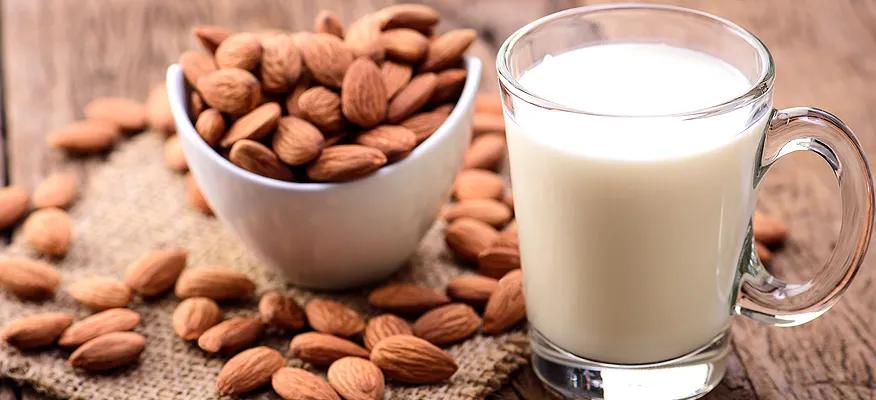
Almond milk, known for its versatility and health benefits, has also gained recognition for its benefits for skin health. As a delightful alternative to traditional dairy milk, its nutritional profile not only caters to dietary needs but also offers numerous advantages for skin care.
This article focuses on the top 11 benefits of almond milk for skin, highlighting how its regular inclusion in your diet, as well as its application on the skin, can contribute to a healthier, more radiant complexion.
What is almond milk?
Almond milk, recognized for its benefits of almond milk for skin, is a low calorie alternative to traditional dairy milk. Made from almonds and water, it's particularly valued in healthy recipes with almond milk. This plant-based milk is not only a nutritious choice for those monitoring their calorie intake but is also reputed for its skin-enhancing properties, including improving overall skin health and potentially addressing skin concerns like acne.
Nutrition in Almond Milk
Almond milk is a nutritious, low calorie alternative to dairy milk, often included in healthy recipes. It's particularly known for its hydration benefits, being mostly water.
- In terms of nutrition, one cup of unsweetened almond milk typically contains about 30-50 calories, 1 gram of protein, 1-2 grams of carbs, 2.5-3 grams of fat, 0-1 gram of sugar, and 1 gram of fiber.
- Almond milk is also a good source of calcium and vitamins, especially Vitamin D and Vitamin E, which are added during fortification.
- It provides around 300-450 mg of calcium, 100 IU of Vitamin D, and 3-5 mg of Vitamin E per cup. Additionally, it contains a moderate amount of potassium, around 160 mg per cup.
These nutrients contribute to its benefits for skin, as Vitamin E is known for its antioxidant properties, potentially aiding in skin health and collagen production.
However, the direct effects of almond milk on skin conditions like almond milk acne or almond milk for skin whitening are less clear, with limited scientific backing. Nonetheless, its overall nutritional profile makes almond milk a valuable addition to a balanced diet.
How Almond Milk Affect your Skin?
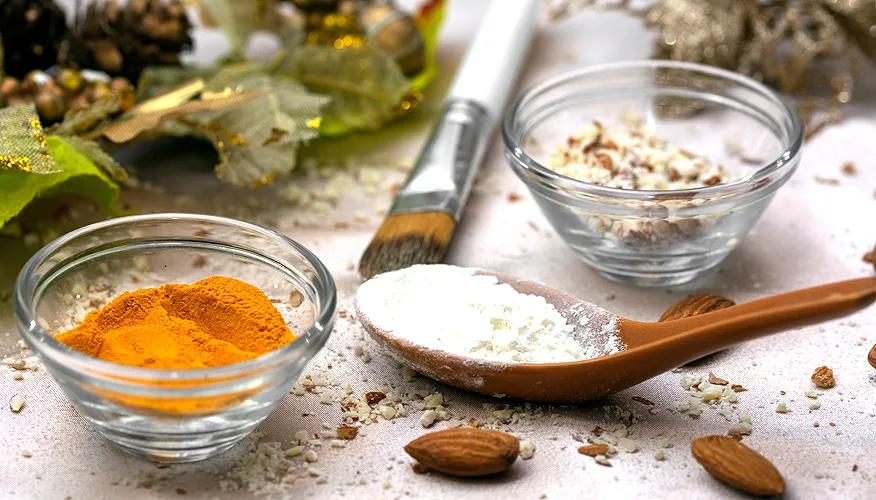
Almond milk can have a positive impact on skin health, largely due to its nutritional composition. One of the key benefits of almond milk for skin is its high vitamin E content.
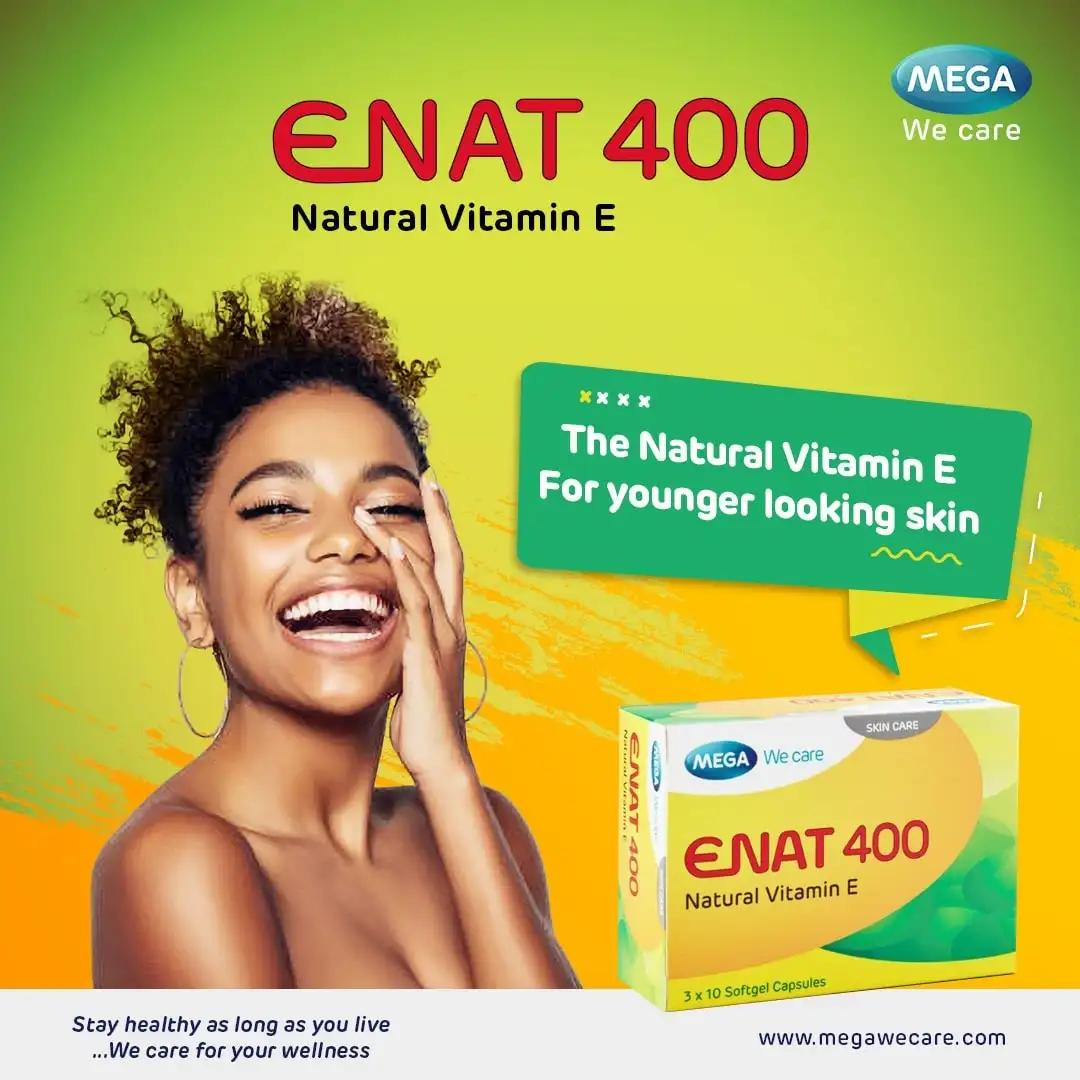
Vitamin E is a powerful antioxidant that helps protect the skin from damage caused by free radicals and UV rays, thus aiding in maintaining skin health and appearance. Additionally, the antioxidants present in almond milk contribute to this protective effect, further enhancing skin health.
Another aspect to consider is the role of healthy fats found in almond milk. These fats are essential for maintaining skin hydration and elasticity, leading to a more youthful and healthy skin appearance. This makes the benefit of almond milk for skin notable, especially for those who include it in their diet regularly.
If you are someone worried of almond milk acne, it's important to note that while dairy products are often associated with exacerbating acne, almond milk is typically considered a safer alternative due to its different nutrient profile and the absence of dairy proteins that can trigger acne in some individuals.
Is almond milk healthier than regular milk?
Comparing the nutritional profiles of almond milk and dairy milk, it's important to consider individual dietary needs and preferences. Almond milk is often preferred for its low calorie content, with the calories in milk vs almond milk being significantly lower in almond milk. This makes it a popular choice for weight management and for those counting calories.
In terms of skin health, some people believe in the benefits of almond milk for skin. It contains vitamin E, an antioxidant known for skin health benefits, which supports the notion of benefits of drinking almond milk for skin. While dairy milk contains hormones that some suggest might contribute to acne, almond milk is often considered a safer option, potentially reducing the likelihood of almond milk acne issues.
On the other hand, dairy milk is typically higher in protein and contains essential nutrients like calcium and vitamin D, often fortified in both dairy and almond milk. However, low calorie almond milk is a great alternative for those with lactose intolerance, a vegan diet, or specific skin health concerns.
How to make Almond milk on your own?

Making almond milk at home is a simple process that allows you to enjoy a low calorie and nutritious drink, which can be a great addition to healthy recipes.
Here's a step-by-step guide to creating your own DIY almond milk:
Ingredients:
- 1 cup raw almonds
- 2 cups water (for soaking)
- 4 cups water (for blending)
- Optional: Sweeteners like honey, sugar, or vanilla extract
Methods:
- Soak the Almonds: Place the almonds in a bowl and cover them with about 2 cups of water. Let them soak overnight, or for at least 12 hours. It makes the almonds easier to blend as they soften.
- Drain and Rinse: Once the almonds are soaked, now drain and rinse them under running water that’s cool.
- Blend with Water: Add the soaked almonds and 4 cups of water to a blender. Blend on it for 2 minutes. The almonds should be broken down into a very fine meal, and the water should turn white and opaque.
- Strain the Almond Mixture: Line a bowl with a cheesecloth or use a nut milk bag. Pour the almond mixture into the cloth. Gather the cloth around the almond meal and twist close. With clean hands, now squeeze and press to get almond milk. You should get about 2 cups of almond milk.
- Sweeten the Milk (Optional): If you want to sweeten your almond milk, pour the milk back into the blender and add your preferred sweetener. Blend to combine.
- Store the Almond Milk: Store the almond milk in sealed containers in the refrigerator for up to two days. Shake well before using it.
How to use Almond Milk for your Skincare?
Incorporating almond milk into your skincare routine can leverage its benefits for the skin, thanks to its nourishing properties.
Here are some practical ways to use almond milk for skin care:
- Cleanser: Almond milk can be used as a gentle facial cleanser. Simply apply it to your face with a cotton ball and gently massage. Its properties can help in removing dirt and oil, making it suitable for sensitive skin and possibly beneficial for those concerned about acne.
- Moisturizer: Mix almond milk with ingredients like honey or aloe vera to create a hydrating moisturizer. This mixture can be applied to the face and left on for a few minutes before rinsing off, providing hydration and potential benefits of applying almond milk on skin.
- DIY Almond Milk Face Mask:
- Ingredients: 2 tablespoons of almond milk, 1 tablespoon of honey, and 1 tablespoon of oatmeal.
- Instructions: Mix the ingredients to form a paste. Apply the mask evenly over your face and leave it on for 15-20 minutes. Rinse off with warm water. This mask aims to soothe and nourish the skin, making use of the benefit of almond milk for skin.
While these applications are generally considered safe, it's important to note that individual reactions can vary, and it’s always recommended to do a patch test before applying new ingredients to your face, especially if you have questions like can almond milk cause acne. Drinking almond milk can also contribute to overall skin health, though the effects of drinking almond milk for skin whitening are not scientifically proven. These methods can be part of a holistic approach to skincare, combining topical applications with dietary choices.
Benefits of almond milk for skin
Here are the benefits of almond milk for skin, presented in bullet points:
- Hydrates the Skin: Almond milk helps in maintaining skin hydration, essential for a healthy and radiant complexion.
- Soothes Skin Irritation: Its anti-inflammatory properties can calm and soothe irritated skin, making it beneficial for sensitive skin types.
- Reduces Acne: Due to its non-dairy nature, low calorie almond milk is less likely to exacerbate acne, compared to regular dairy milk.
- Delays Signs of Aging: Rich in antioxidants, almond milk can help in reducing the signs of aging by protecting the skin from free radical damage.
- Brightens Complexion: The vitamins and minerals in almond milk can contribute to a brighter, more even skin tone.
- Improves Overall Skin Health: The nutritional profile of almond milk supports overall skin health, promoting a clearer and healthier complexion.
- Gentle Exfoliation: Almond milk can gently exfoliate the skin, helping to remove dead skin cells and revealing smoother skin.
- Hypoallergenic: Being hypoallergenic, it's a safe option for those with allergies to dairy or sensitive skin.
- Reduces Dark Circles: Some claim that almond milk can help in reducing the appearance of dark circles under the eyes.
- UV Protection: While not a substitute for sunscreen, almond milk contains compounds that may offer some protection against UV rays.
- Natural Cleanser: Its gentle nature makes almond milk a good option for natural skin cleansing routines.
Side effects and Allergies of Almond Milk
Here are the potential side effects and allergies related to almond milk:
- Tree Nut Allergies:
- Almond milk is derived from tree nuts, making it a potential allergen.
- Individuals with tree nut allergies may experience reactions ranging from mild to severe upon consuming almond milk.
- Skin Reactions:
- While often touted for its skin benefits, almond milk can affect individuals differently.
- Concerns such as can almond milk cause acne are not universally proven but should be considered based on personal skin responses.
- Added Ingredients in Commercial Products:
- Many almond milk brands add sugars and preservatives.
- These additives can negate some of the health benefits of almond milk, particularly for those monitoring calorie intake.
- Gastrointestinal Discomfort:
- Some people may experience digestive issues, such as bloating or gas, particularly when transitioning from dairy to almond milk.
- Nutrient Deficiencies:
- Almond milk is lower in protein and certain nutrients compared to cow's milk.
- It's essential to ensure a balanced diet, especially for children and those with specific nutritional needs.
- Impact on Thyroid Function:
- Almonds are goitrogens, substances that can interfere with thyroid gland function.
- Though rare, excessive consumption of almond milk might affect thyroid health.
Conclusion
Almond milk can be a valuable addition to your skincare regimen, thanks to its potential benefits for skin health. Its low calorie nature and nutritional profile, particularly rich in vitamin E, are reasons many people explore its benefits for skin.
However, it's important to approach almond milk with mindfulness, especially if you have tree nut allergies or sensitive skin. While the benefits of almond milk for skin are notable, individual responses can vary, and what works for one person may not for another.
Meet our expert

Meet our expert
Dr. Pakanich Maria Petrivna graduated from Ukraine's Uzhhorod National Medical University, Faculty of Medicine, in 1999. She further pursued her post graduation studies at Lviv National Medical University between 1999-2000. She then spent 16 years (2000-2016) at the same university as the resident doctor neurologist. Since 2016,Dr. Pakanich Maria Petrivna has been associated as a medical representative with Mega We Care.


How was the experience with article?
We'd love to know!